Insufficient Support & Poor Comfort in Pillow: What 202,034 Reviews Reveal
Inadequate Support and Poor Comfort: The “Hidden Killer” in the Cushion Industry
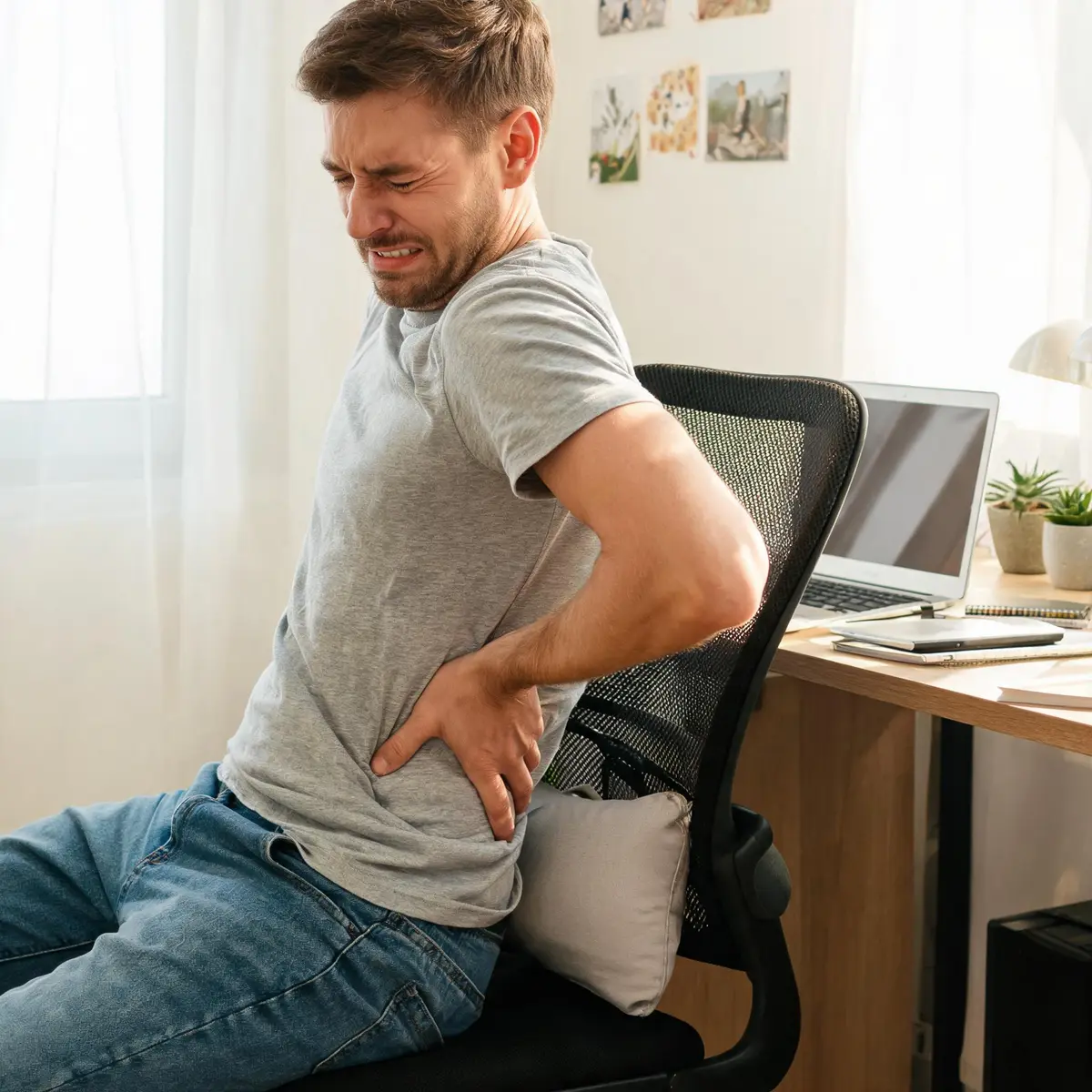
Many people purchase cushions with the initial intention of relieving spinal pressure caused by prolonged sitting or lying down, but they often overlook that support performance is the core value of a cushion. The bad shopping experiences of many consumers are surprisingly consistent: they only consider appearance and soft texture when picking products and place orders directly, only to find that the cushion flattens completely under pressure in less than a few weeks, cannot support the waist or neck at all, makes users feel more tired the longer they lean on it, and even causes problems such as muscle soreness and spinal curvature deformation. After analyzing 202,034 real user reviews covering 35,734 cushion products, we found that 32% of negative reviews are directly related to “inadequate support and poor comfort”. The occurrence rate of this problem is far higher than other pain points such as peculiar smell and rough workmanship, making it the veritable hidden killer of the industry. Lin Lin, a copywriter who has worked for 3 years, suffers from poor lumbar health due to long-term sedentary work. She specially chose a cushion advertised as “medical-grade lumbar support”. It felt soft and fluffy when she first received it, and she thought she had made the right purchase. However, after less than 1 month of use, the cushion was completely squashed and flattened, and could not fit her lumbar spine at all. Last week, she went to the rehabilitation department for severe lumbar and back pain. The doctor concluded that the unqualified cushion caused her lumbar spine to stay in an unnatural curvature for a long time, leading to strain caused by persistent muscle tension. The cushion that cost a few hundred yuan ended up making her spend more than one thousand yuan on physiotherapy.
Why Inadequate Support and Poor Comfort Occur? — In-depth Breakdown of Root Causes
Material Science Level: Unqualified Performance of Filling and Fabric
The support force of a cushion comes corely from the deformation recovery ability of the filling material. Qualified filling materials will return to their original shape in a short time after being stressed, providing continuous and stable support. While inferior filling materials have insufficient molecular chain strength, and will suffer irreversible structural collapse after long-term stress, just like an old tennis ball that is squashed flat after being stepped on and can never bounce back. Some users reported in comments that “I had a terrible backache after sitting for a whole day, and finally had to see a chiropractor”, which is essentially because the filling material has completely lost its resilience and cannot maintain the natural curvature of the spine, leading to strain caused by passive muscle exertion. In addition, if the fabric has insufficient ductility, or there is no buffer lining between the fabric and the filling layer, the caking and bulging of the filling material will be directly transmitted to the skin surface, causing a pressing feeling and foreign body sensation, which will lead to uneven local stress and reduce comfort.
Manufacturing Process Level: Jerry-building and Design Deficiency Are Core Incentives
First, insufficient filling volume: For cushions of the same size, the filling volume directly determines the support threshold. If manufacturers reduce the filling volume to cut costs, the cushion will have insufficient deformation space, will be directly pressed to the bottom under stress, and cannot provide effective support for stress points such as the waist and neck, which is equivalent to no cushion at all. Second, lack of ergonomic design: Qualified lumbar/neck support cushions need to adapt to the natural curvature of the human spine, and take into account the stress differences of users with different heights and weights. Many low-priced cushions only have a rough raised shape, no partition support design. No matter what body type the user has, the stress points are concentrated on the protruding parts of the bones, which will instead increase the burden on the spine. Third, poor sealing process for inflatable cushions: The support performance of inflatable cushions comes from stable internal air pressure. If the structural design of the sealing valve is unreasonable and the hot pressing process at the interface is unqualified, slow air leakage will occur, the air pressure will drop within a few hours, and the support performance will disappear quickly.
Usage Habit Level: Improper Operation Will Accelerate Support Performance Attenuation
Long-term pressure applied to the same position of the cushion will lead to premature aging and collapse of the local structure of the filling material. Exposing the cushion to direct sunlight, or directly washing memory foam/latex filled cushions, will damage the molecular structure of the filling material, leading to a rapid decline in resilience. If inflatable cushions are inflated to 100% full every time, the internal air pressure will expand under high temperature, which will also damage the sealing structure and speed up air leakage.
Comparison of “Inadequate Support and Poor Comfort” Performance of Different Materials
At present, cushion filling materials on the market are mainly divided into 5 categories, and the support performance of different materials varies greatly. We summarized the advantages and disadvantages of various materials combined with positive and negative reviews from real users:
| Filling Material | Common Support Problems | Core Performance of Qualified Products (from real positive reviews) |
|---|---|---|
| Memory foam | Hardens at low temperature, low-density models are prone to permanent collapse, poor breathability | Soft with supportive performance, rebounds within 3 seconds after being pressed, fits body curve without collapsing at the waist |
| Natural latex | Low-density models are prone to collapse, sheds crumbs after aging, low support threshold | Strong resilience, returns to original shape immediately after pressing, no obvious depression after long-term use |
| Polyester fiber (PP cotton) | Insufficient fluffiness leads to easy flattening, uneven filling easily causes caking and pressing sensation | Lightweight but high in fluffiness, quickly returns to plump state after patting, will not get thinner with use |
| Inflatable PVC | Poor sealing leads to easy slow air leakage, thin fabric easily causes pressing sensation, excessive deformation under stress | Maintains stable air pressure for more than 12 hours after inflation, has a softening layer on the surface, no foreign body sensation when leaning on |
| Plant filling (buckwheat/cassia seed) | Filling breaks and sinks after long-term use, support performance gradually declines | Tightly filled, good fluidity, support height can be adjusted manually, no obvious caking after long-term use |
There is no perfect material, only choices that fit the usage scenario. For example, memory foam or latex models are suitable for long-term sedentary use in offices, inflatable models are suitable for portable use during business trips, and plant-filled models are suitable for users who prefer firmer support.
How to Avoid Inadequate Support and Poor Comfort? — Purchase and Usage Guide
Core Purchase Judgment Indicators
- Resilience test: For offline purchase, press the cushion firmly with your palm for 10 seconds and then release it. Qualified products should recover more than 90% of their original shape within 3 seconds. Do not choose products with too slow rebound speed or no rebound at all. For online purchase, you can focus on the proportion of negative reviews related to “collapse” and “flattening”.
- Filling volume judgment: For cushions of the same size, the higher the weight (excluding inferior weighted filling), the more sufficient the filling volume and the higher the support threshold. Do not purchase products that are obviously lighter than other products of the same size.
- Ergonomic design verification: Lumbar support cushions should fit the lordotic curvature of the lumbar spine, neck support cushions should fit the C-shaped curvature of the cervical spine. Products with partition support design are preferred, avoid general shapes with only one protrusion.
- Special requirements for inflatable models: Choose products with multi-layer sealing valves, prioritize products covered with a fabric layer on the surface to avoid direct contact with PVC material that causes pressing sensation.
- Fabric adaptability: Rub the surface of the cushion with your hands to feel if there are uneven lumps inside. If you can obviously feel the particles or lumps of the filling, it means there is no buffer lining between the fabric and the filling layer, which is easy to cause pressing sensation.
Correct Use and Maintenance Methods
- Adjust the stress position regularly: Pat the cushion 1-2 times a week to evenly distribute the filling material, avoid local collapse caused by long-term pressure on the same position.
- Avoid harsh usage environments: Memory foam and latex cushions should not be exposed to direct sunlight or washed with water, to avoid damaging the structure of the filling material. Do not inflate inflatable cushions to 100% full, inflate to 80%-90% at most, to avoid seal damage caused by air pressure expansion under high temperature.
- Replace regularly: The service life of ordinary polyester fiber cushions is 6-12 months, the service life of memory foam/latex cushions is 1-2 years, and the service life of plant-filled cushions is 6-8 months. After exceeding the service life, the support performance will decline significantly, and timely replacement is recommended.
Correction of Common Misconceptions
- Misconception 1: The softer the cushion, the more comfortable it is: The truth is that overly soft cushions do not have sufficient support force, which will keep the spine in an unnatural curvature for a long time and aggravate muscle strain instead. A qualified cushion should be “soft but not collapsed, hard but not pressing”, with balanced fit and support performance.
- Misconception 2: The harder the cushion, the better the support performance: The truth is that overly hard cushions cannot fit the body curve, and will only form local high pressure at the protruding parts of the bones, which will lead to local pain and poor blood circulation instead.
- Misconception 3: Expensive cushions will never collapse: The truth is that no matter what the price of the cushion is, it has a service life. Improper usage habits will greatly shorten the duration of support performance. No matter how expensive the product is, it will quickly lose its support if it is exposed to the sun for a long time or pressed violently.
“Pitfall Avoidance” Lessons from Real Users
Lesson 1
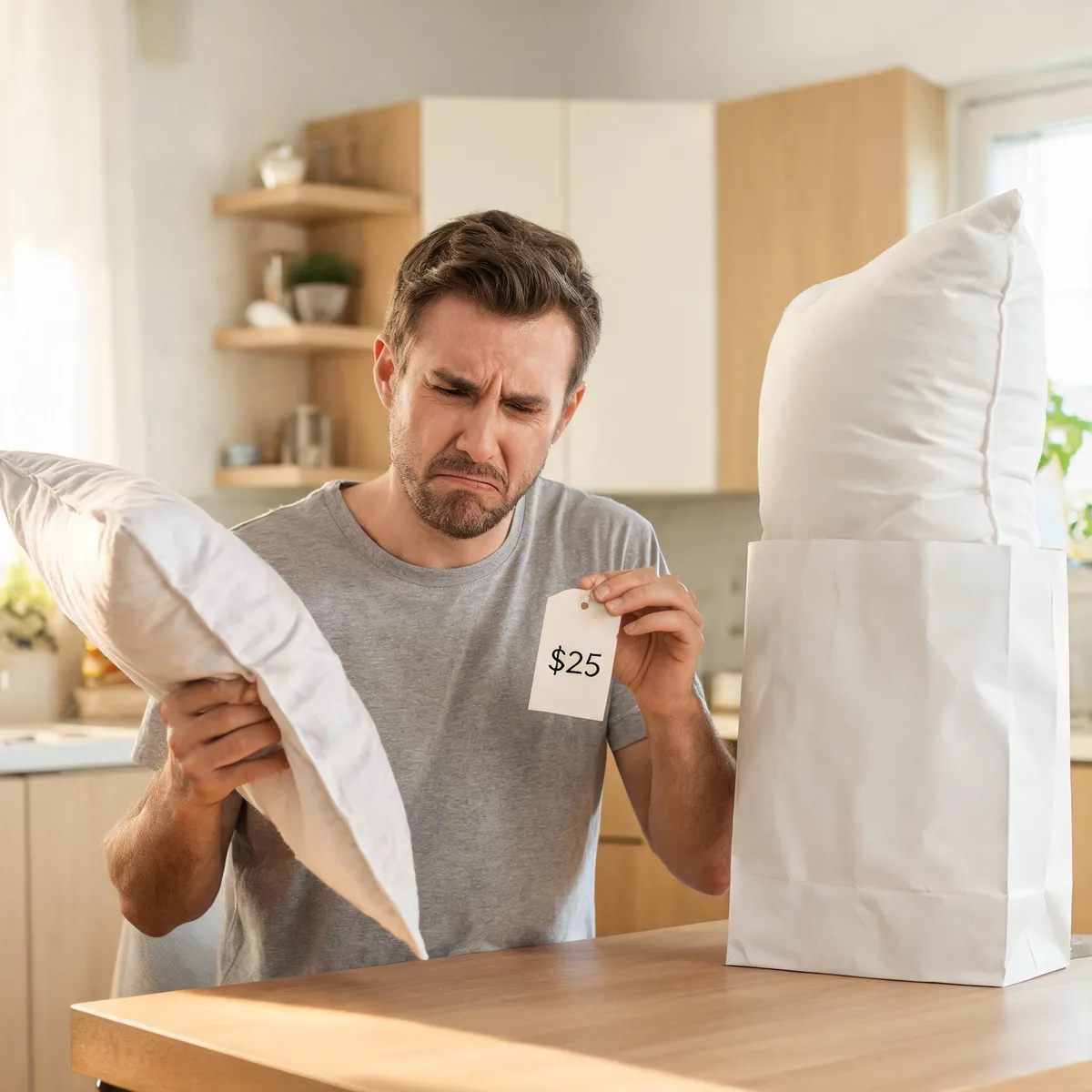
Real user review: “I had a terrible backache after sitting for a whole day, and finally had to see a chiropractor” Lesson summary: Don’t be fooled only by the “soft and fluffy” and “cloud-like touch” advertised by merchants. Support performance is the core value of a cushion, and soft cushions without support will become a killer of spinal health instead.
Lesson 2
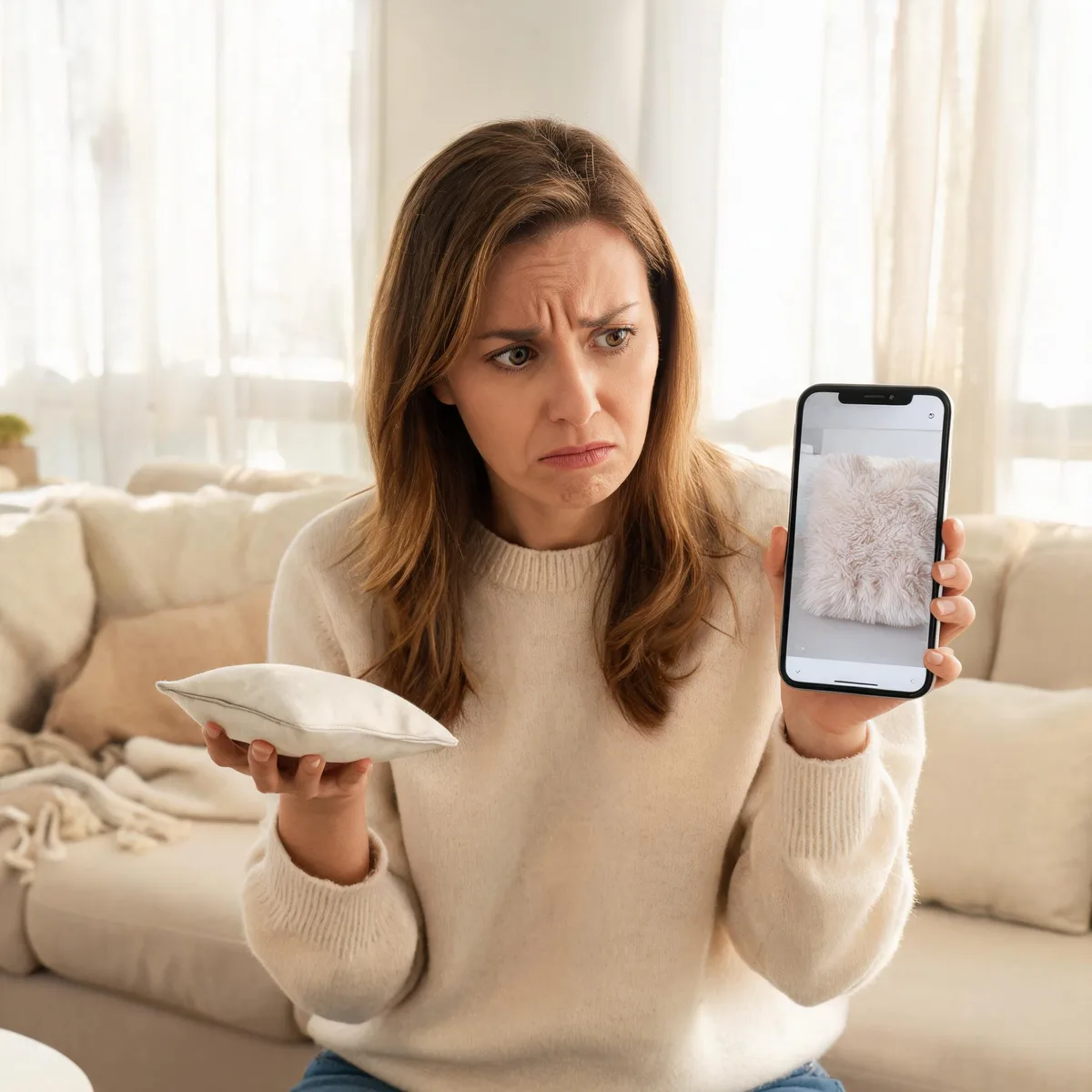
Real user review: “It flattened like a piece of paper after half a month of use, even patting can’t make it fluffy again, and it can’t support my waist at all” Lesson summary: When purchasing, you must pay attention to the resilience of the filling material. Products made of low-density polyester fiber and low-gram weight memory foam are very prone to permanent collapse. Try to avoid buying cushions that are obviously lighter than other products of the same size.
Lesson 3
Real user review: “The cushion was fully inflated the night before, but it was half deflated the next morning, and it couldn’t support my waist at all when driving” Lesson summary: The sealing process of inflatable cushions directly determines the service life. When purchasing, prioritize products with multi-layer sealing valves. After receiving the goods, you can inflate it first and leave it for 12 hours to test the air leakage. If the air leakage exceeds 10%, it is not recommended to keep it.
Lesson 4
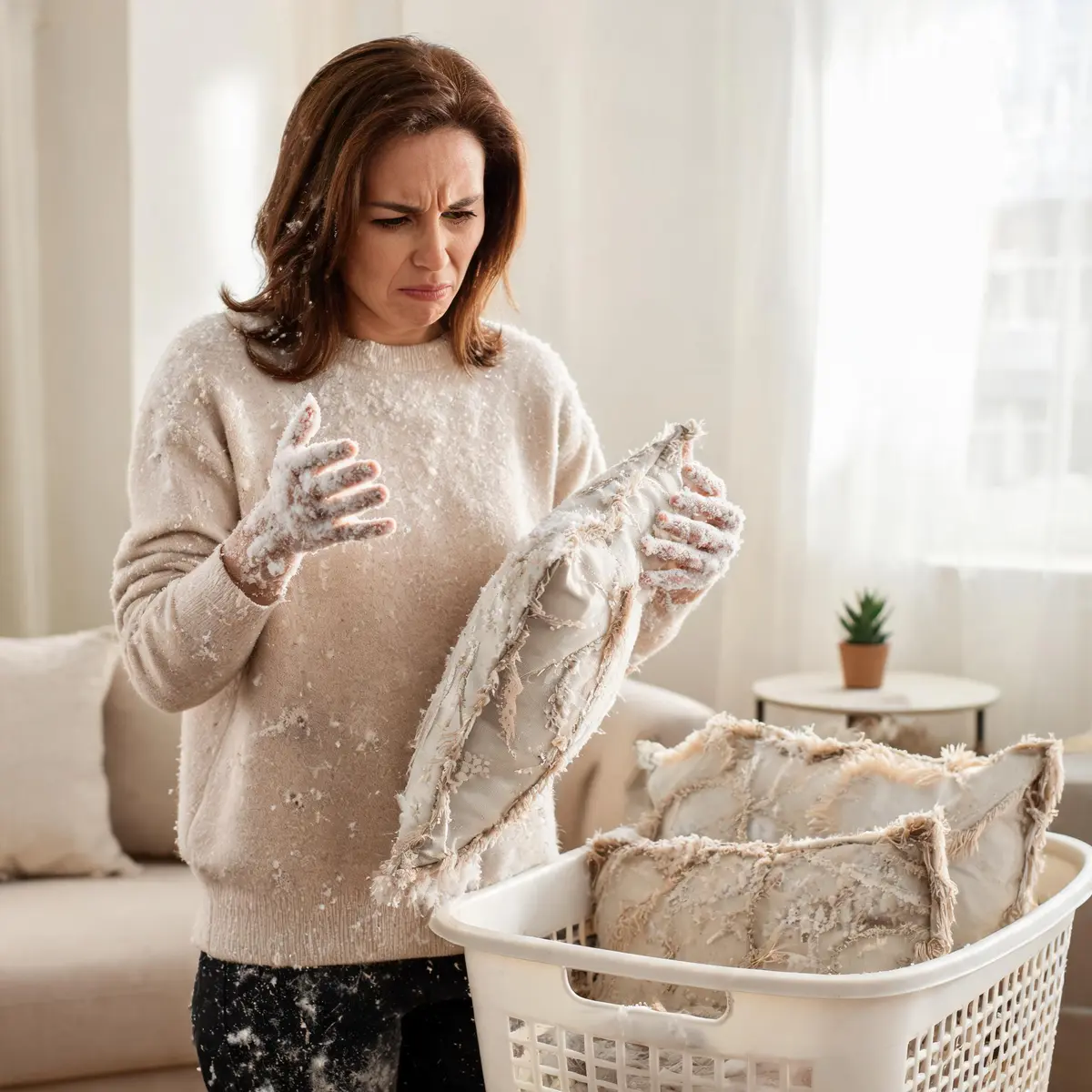
Real user review: “It feels lumpy when I lean on it, the filling inside is in pieces, and it presses my back so much that I threw it away after three days of use” Lesson summary: When purchasing, you can rub the surface of the cushion with your hands. If you can obviously feel the lumps or protrusions of the internal filling, it means that the product has no buffer lining between the filling layer and the fabric, which is very prone to pressing sensation, and it is not recommended to buy.
Related Deep Analysis in This Category
- Low Value for Money — 15% of complaints relate to this
- Misleading Advertisement & Wrong Item — 22% of complaints relate to this
- Poor Quality & Low Durability — 45% of complaints relate to this
🛒 Recommended Solution

Bedsure Travel Blanket Set with Inflatable Neck Pillow and Eye Mask - Lightweight 3-in-1
As an Amazon Associate, I earn from qualifying purchases.
🛠️ Practical How-To Guides
Based on the analysis above, we've prepared actionable daily solutions for you:
3 Maintenance Tips to Double the Support Life of Inflatable Cushions and Avoid Slow Leakage
Aiming at the common problems of poor sealing and slow air leakage of inflatable cushions, teach consumers practical methods of correct use, inspection and leak repair to make the support effect more durable.
Read Full Guide →3 Steps to Choose a High-Support Home Cushion to Avoid Sagging and Soreness
Teach ordinary consumers to choose qualified, non-sagging home cushions from three dimensions: filling material, ergonomic design and filling amount, to avoid low-quality pitfalls.
Read Full Guide →4 Low-Cost DIY Methods to Fix Sagging Cushions Without Replacement
Share easy-to-operate at-home repair skills for old cushions with insufficient filling and reduced fluffiness, to quickly restore the support and comfort of cushions.
Read Full Guide →Adjust Cushion Position According to Height and Weight to Avoid Waist and Neck Soreness
Aiming at the different support needs of users with different heights and weights, share adjustment skills such as cushion placement and padding to adapt to the support needs of different body shapes and avoid fatigue when leaning.
Read Full Guide →